
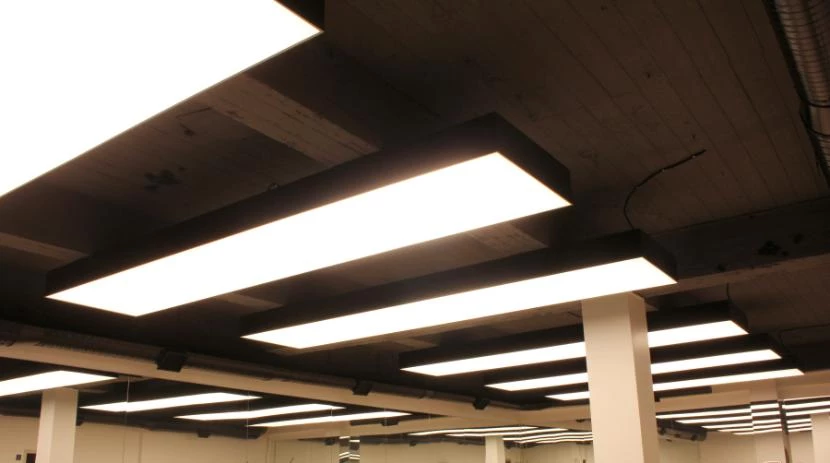
Commercial LED Lighting Costs in Totton
Contact UsUpgrading to commercial LED lighting can help businesses improve the quality of their lighting while reducing electricity consumption and ongoing maintenance. Whether you operate an office, retail unit, warehouse or other commercial premises, the right LED installation can provide reliable lighting suited to the way your building is used.
The cost of commercial LED lighting depends on the number and type of fittings, the layout of the premises and the complexity of the installation. Replacing existing commercial lights with LED fittings can cost around £80–£200 per fitting, including supply and installation. Larger or more specialist installations may cost more.
GCT Electrical Ltd provides electrical installation services across domestic, commercial and industrial sectors in Stoke-on-Trent and surrounding areas. The company focuses on quality workmanship and products that deliver value without unnecessarily increasing the budget. A free quotation is available to help you understand the cost of your project.
How Much Does Commercial LED Lighting Cost?
Commercial LED lighting is usually priced per fitting for straightforward replacement work. For larger projects, an electrician may calculate the cost across the entire installation, taking account of the number of lights, equipment, labour and any additional electrical work.
The following table provides prices for common commercial LED lighting installations.
Type of commercial LED lighting | Estimated cost per fitting, supplied and installed |
|---|---|
LED tube retrofit using an existing fitting | £15–£35 |
Standard LED batten | £80–£150 |
LED office panel | £80–£180 |
Commercial LED downlight | £60–£120 |
Industrial LED high-bay light | £120–£250 |
LED floodlight for commercial premises | £90–£200 |
The actual cost will depend on the product specification, installation conditions and quantity required. Prices may also exclude VAT, specialist access equipment or additional electrical alterations.
For example, replacing 20 standard commercial fittings at an estimated £80–£150 each could result in a budget of approximately £1,600–£3,000. A warehouse installation using high-bay fittings would usually require a different budget because of the equipment and access involved.
A site assessment is the best way to establish the number of fittings required and receive an accurate quotation.
What Affects Commercial LED Lighting Costs?
Every commercial building has different lighting requirements. Several factors can influence the amount you need to budget for an LED lighting installation.
Number of Fittings Required
The number of lights is one of the biggest influences on the total price. A small office may only need a limited number of LED panels, while a warehouse, factory or large retail space could require dozens or hundreds of fittings.
Although a larger installation has a higher overall cost, completing several fittings during one visit can help reduce the average labour cost per unit.
Type and Specification of LED Lights
Different commercial environments need different lighting products. Standard LED panels may be suitable for offices, while warehouses and industrial buildings often require higher-output high-bay fittings.
The specification can affect the purchase price, including:
Light output and wattage.
Colour temperature and colour rendering.
Beam angle and light distribution.
Product efficiency and expected lifespan.
Build quality and warranty.
Suitability for dusty, damp or demanding environments.
Choosing the right fitting for the building is important. A cheaper product may not provide the light output, durability or performance required for the space.
Existing Lighting and Electrical System
If the existing fittings and wiring are suitable, replacing older lights with LED alternatives may be relatively straightforward. However, some installations require additional work before new lighting can be fitted.
This could include replacing damaged fittings, altering circuits, installing new wiring or making changes to existing electrical connections. These requirements can increase labour and material costs.
Ceiling Height and Access
Installation costs can increase when lights are positioned at significant heights or in difficult-to-reach areas.
For example, fitting LED panels in a standard office ceiling is generally simpler than replacing high-bay lights in a warehouse. The latter may require access platforms, specialist lifting equipment and additional time to complete the work safely.
Lighting Layout and Controls
Some businesses only need a like-for-like replacement, while others may want to improve the lighting arrangement throughout the building.
Additional controls, such as occupancy sensors, daylight sensors and dimming systems, can increase the initial installation cost. However, they may help reduce electricity use by ensuring lights operate only when and where they are needed.
Installation Time and Working Conditions
The condition and use of the premises can affect the time required to complete the project. Work in an occupied office, shop or operational warehouse may need to be arranged outside normal business hours to minimise disruption.
The installation schedule, access restrictions and need to keep certain areas operational should all be considered when preparing a quotation.
How to Get Better Value from Commercial LED Lighting
A lower initial price is not always the best long-term option. Businesses should consider the quality, efficiency and expected lifespan of the lighting products as well as the installation cost.
Here are a few ways to manage your budget:
Assess the whole building: Identify which areas need new lighting and how many fittings are required before ordering equipment.
Choose suitable LED products: Match the output and specification to the purpose of each space rather than selecting fittings based on price alone.
Consider controls: Sensors and timers can help prevent lights being left on unnecessarily.
Combine installation work: Where possible, arrange multiple lighting replacements during the same project to reduce repeated labour and access costs.
Plan around business hours: Discuss suitable installation times to reduce disruption to staff, customers and daily operations.
Compare complete quotations: Check whether the price includes fittings, labour, testing, disposal and any additional electrical work.
A well-planned installation can help your business achieve better lighting performance while keeping the project within budget.
Frequently Asked Questions
Is commercial LED lighting more expensive to install than standard lighting?
LED fittings can have a higher purchase price than some traditional lighting products. However, they generally use less electricity and can last longer, helping businesses reduce energy and replacement costs over time.
How much does it cost to install LED lighting in an office?
A small office may need only a few LED panels, while a larger workspace could require several dozen. As a guide, standard LED office panels may cost around £80–£180 per fitting supplied and installed. The total will depend on the number of fittings and whether new wiring or controls are required.
Can existing commercial lights be replaced with LED fittings?
In many cases, existing lighting can be upgraded to LED alternatives. Whether a simple retrofit or complete fitting replacement is suitable depends on the condition, compatibility and specification of the current system. An electrician can assess the installation and recommend an appropriate solution.
How long does a commercial LED lighting installation take?
The timescale depends on the size of the building, the number of fittings and the complexity of the work. A small replacement project may be completed relatively quickly, while a larger warehouse or commercial building may require several visits or a phased installation.
Can I get a quotation for commercial LED lighting?
Yes. GCT Electrical offers free quotations. You can discuss your commercial electrical requirements with the team to establish the scope of work and receive a price based on your premises and installation needs.
Get a Free Commercial LED Lighting Quote from GCT Electrical
If you are considering upgrading the lighting in your business premises, GCT Electrical Ltd can help you discuss your electrical installation requirements.
Based in Stoke-on-Trent, GCT Electrical works across domestic, commercial and industrial sectors in the surrounding areas. The company is fully insured, qualified and registered with the NICEIC, with a focus on professional service, quality products and reliable workmanship.
Whether you are planning a lighting upgrade for an office, retail space or industrial building, get in touch to discuss your requirements and request a free, no-obligation quotation.
We cover Totton (Hampshire)